Minimally Invasive Dialysis Access Salvage: What Patients Should Know
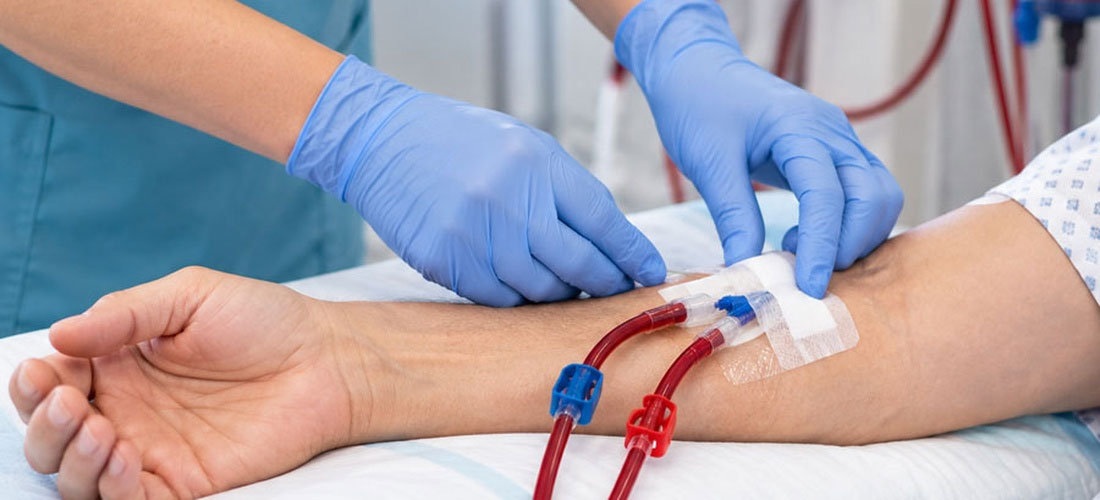
A well-functioning dialysis access is essential for patients receiving haemodialysis. When an arteriovenous fistula or graft develops a blockage, narrowing or other problem, minimally invasive dialysis access salvage procedures may help restore blood flow and preserve the existing access.
What Is Dialysis Access?
Dialysis access is a specially created blood vessel connection that allows blood to be removed and returned during haemodialysis. Common types include arteriovenous fistulas and arteriovenous grafts.
Over time, dialysis access can develop problems such as narrowing, blood clots or reduced blood flow. Early evaluation is important because timely treatment may help preserve the access and maintain effective dialysis.
Common Problems With Dialysis Access
Several complications can affect the functioning of a dialysis fistula or graft. Common problems include:
Access Narrowing
Narrowing of the blood vessel can reduce blood flow through the fistula or graft and affect dialysis efficiency.
Blood Clot Formation
A blood clot can block the dialysis access and may result in sudden loss of access function.
Reduced Blood Flow
Poor blood flow may make dialysis difficult and can indicate an underlying access problem.
High Venous Pressure
Increased pressure during dialysis can be a sign of narrowing or obstruction within the access circuit.
Difficulty During Dialysis
Repeated difficulty with cannulation, poor blood flow or inadequate dialysis may indicate access dysfunction.
Swelling Around the Access
New or persistent swelling around the arm or access site should be evaluated by a healthcare professional.
What Is Dialysis Access Salvage?
Dialysis access salvage refers to procedures performed to restore or maintain the function of an existing fistula or graft rather than immediately creating a completely new access.
Depending on the cause of access failure, treatment may involve opening a narrowed segment, removing a clot or addressing another blockage affecting blood flow.
What Is Minimally Invasive Dialysis Access Salvage?
Minimally invasive access salvage procedures use small access points and specialised techniques to diagnose and treat problems affecting the dialysis access.
The exact procedure depends on the type and location of the problem. In selected patients, these techniques can help restore blood flow while preserving the existing dialysis access.
Angioplasty
A balloon catheter may be used to widen a narrowed section of the blood vessel and improve blood flow.
Clot Removal
In selected cases, techniques may be used to remove or clear a clot that is blocking the dialysis access.
Fistulography
Imaging of the dialysis access can help identify narrowing, blockage or other abnormalities affecting blood flow.
Access Revision
When required, a targeted intervention may be performed to address a specific problem and preserve access function.
Potential Benefits of Access Salvage
Preserving an existing dialysis access can be an important part of long-term dialysis care. Depending on the patient's condition, successful salvage may help:
- Restore blood flow through the dialysis access
- Maintain the existing fistula or graft
- Reduce the need for immediate new access creation
- Address narrowing or blockage causing access dysfunction
- Support continued haemodialysis treatment
- Reduce interruptions caused by access failure
Signs of Dialysis Access Problems
Patients undergoing dialysis should be aware of changes in how their access normally feels or functions. Warning signs may include:
- Reduced or absent vibration (thrill) over the fistula
- Changes in the usual sound (bruit) of the access
- Reduced blood flow during dialysis
- Repeated difficulty with needle placement
- Swelling of the arm or hand
- Prolonged bleeding after dialysis
- Unusual pain around the access
- Sudden loss of access function
When Should You See a Vascular Specialist?
Any sudden change in the function of a dialysis access should be evaluated promptly. Delayed treatment of a blocked or severely narrowed access may make salvage more difficult.
A vascular specialist can assess the access, identify the underlying problem and determine whether minimally invasive treatment or another intervention is appropriate.
Protecting Your Dialysis Access
Regular monitoring of dialysis access and reporting changes early can help identify problems before they become more serious. Patients should follow their dialysis team's instructions and seek medical attention promptly if they notice changes in blood flow, swelling, pain or access function.
Early Evaluation Can Help Preserve Access
Dialysis access failure does not always mean that a new access must immediately be created. In selected cases, minimally invasive salvage procedures may help restore function and preserve the existing access. Timely evaluation is important when any warning signs appear.