Peripheral Arterial Disease: Symptoms You Should Not Ignore
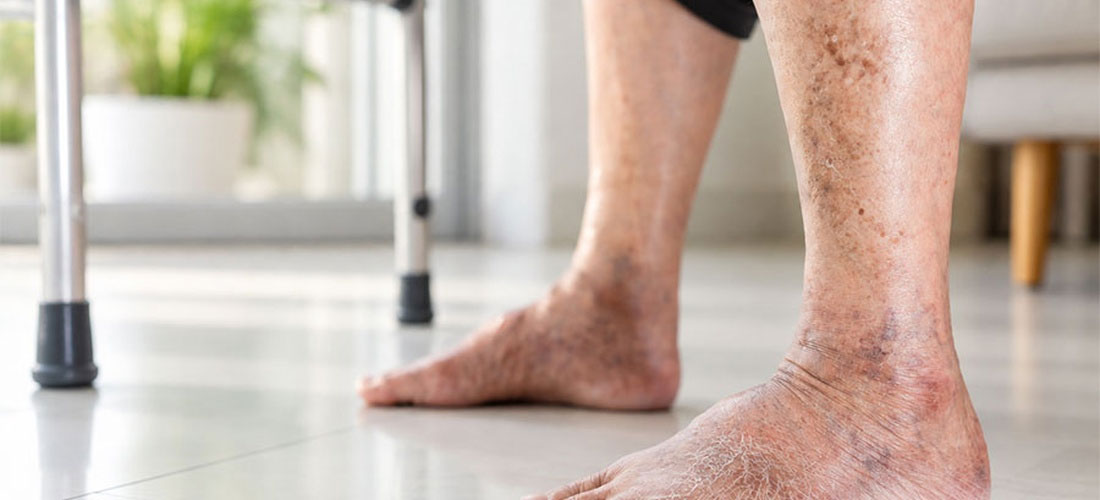
Peripheral Arterial Disease (PAD) is a circulatory condition caused by narrowing or blockage of arteries that supply blood to the legs and feet. Recognising its early warning signs can help patients seek timely medical evaluation and appropriate care.
What Is Peripheral Arterial Disease?
Peripheral Arterial Disease occurs when plaque builds up inside the arteries, reducing blood flow to the limbs. The condition may develop gradually, and some people may not notice symptoms in the early stages.
As the disease progresses, reduced circulation can cause pain, changes in the skin and difficulty healing wounds on the feet or legs.
Symptoms You Should Not Ignore
Symptoms of PAD can vary from person to person. Some of the important warning signs include:
Leg Pain While Walking
Pain, cramping or heaviness in the calf, thigh or buttocks during walking that improves after resting.
Cold Feet or Legs
One foot or leg may feel noticeably colder than the other because of reduced blood flow.
Slow-Healing Wounds
Cuts, sores or ulcers on the feet and legs may take significantly longer to heal.
Changes in Skin Colour
The skin may appear unusually pale, bluish or darker due to reduced circulation.
Numbness or Weakness
Reduced circulation can cause numbness, weakness or unusual sensations in the legs.
Leg Pain at Rest
In advanced cases, pain may occur even while resting, particularly during the night.
Who Is at Higher Risk?
Certain health conditions and lifestyle factors can increase the risk of developing Peripheral Arterial Disease.
- Smoking or tobacco use
- Diabetes
- High blood pressure
- High cholesterol
- Increasing age
- History of cardiovascular disease
- Family history of vascular disease
- Physical inactivity
When Should You See a Vascular Specialist?
Persistent leg pain, pain while walking, non-healing wounds, changes in skin colour or temperature, or pain occurring at rest should not be overlooked.
A vascular specialist can evaluate your symptoms, assess blood circulation and recommend appropriate investigations and treatment based on your condition.
Early Diagnosis Matters
Peripheral Arterial Disease should not be ignored. Identifying the condition early can help doctors address reduced circulation and reduce the risk of complications.